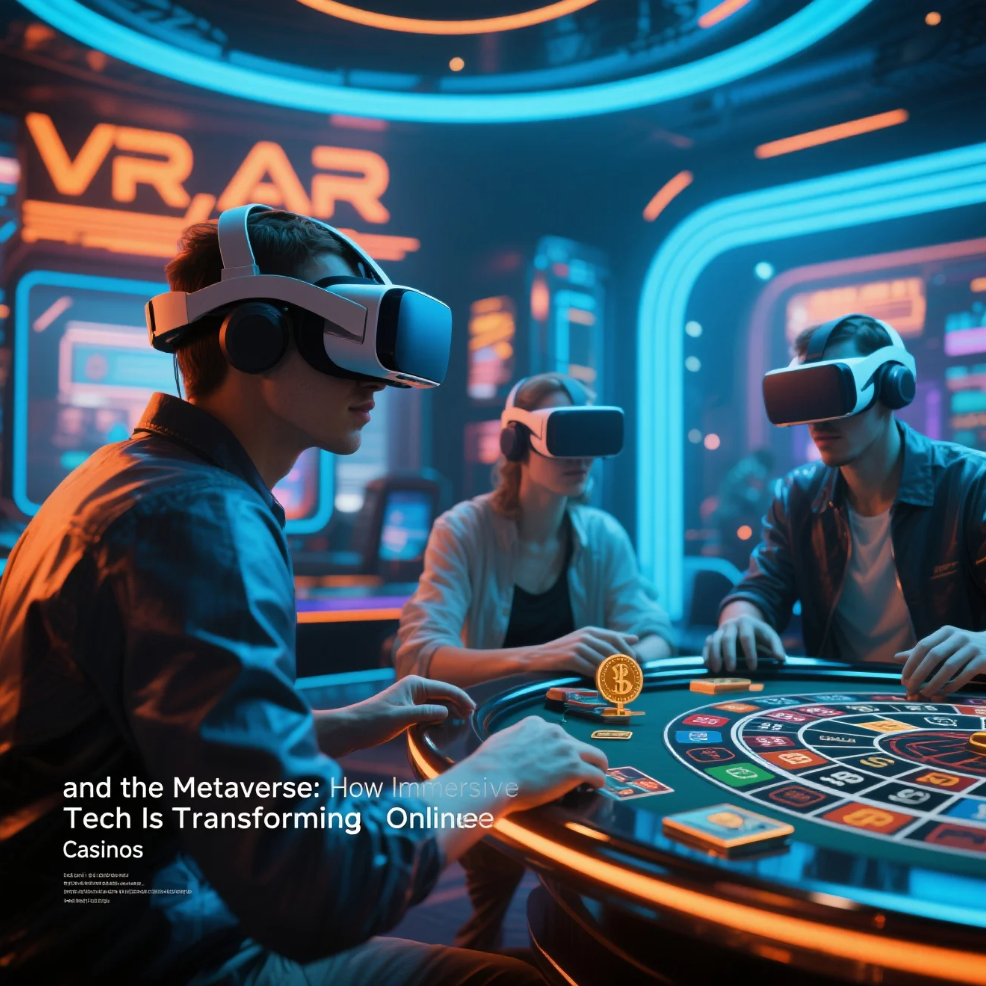
Online casinos are no longer limited to flat screens and basic interfaces. With the rise of VR, AR, and the metaverse, immersive technology is redefining how players experience digital gambling.
From virtual casino floors to interactive dealers and social gaming spaces, immersive technology in online casinos is creating experiences that feel closer to real-world casinos than ever before. This shift is changing not only how people play, but how operators design, market, and regulate online gambling platforms.
🎮 Virtual Reality (VR): Entering the Digital Casino Floor
🕶️ Fully Immersive Casino Experiences
Virtual Reality allows players to:
- Walk through virtual casino environments
- Sit at live tables with realistic avatars
- Interact with dealers and other players in real time
Instead of clicking buttons, users experience a sense of presence, which dramatically increases engagement.
📖 VR gaming overview:
https://www.ibm.com/topics/virtual-reality
🧠 Psychological Impact of VR Gambling
VR heightens sensory involvement, which can:
- Increase immersion and emotional engagement
- Replicate real casino atmospheres
- Extend session duration
This makes VR both a powerful innovation and a tool that requires responsible design.
📱 Augmented Reality (AR): Enhancing the Real World
🔍 Overlaying Digital Games on Physical Space
Augmented Reality enhances the player’s real environment by overlaying digital elements.
In online casinos, AR can:
- Project roulette wheels or slot machines onto real surfaces
- Display live stats and odds during gameplay
- Create interactive tutorials for new players
Unlike VR, AR doesn’t replace reality—it enhances it.
🔗 Learn more about AR technology:
https://www.adobe.com/creativecloud/ar.html
🌐 The Metaverse: Social Gambling Reimagined
🏙️ Persistent Virtual Casino Worlds
The metaverse introduces shared, persistent digital spaces where players:
- Own avatars and virtual assets
- Socialize with other users
- Attend events, tournaments, or live shows
Online casinos in the metaverse are becoming destinations, not just platforms.
📌 Metaverse explained:
https://www.mckinsey.com/capabilities/growth-marketing-and-sales/our-insights/value-creation-in-the-metaverse
💰 Digital Economies and Virtual Assets
Metaverse casinos may include:
- NFTs as membership passes or rewards
- Virtual land ownership
- Token-based economies
These features blend gambling, gaming, and digital ownership into a single ecosystem.
⚙️ How Immersive Tech Is Transforming Online Casinos
🔄 Player Engagement and Retention
Immersive technology online casinos benefit from:
- Longer play sessions
- Stronger emotional connections
- Community-driven experiences
Players don’t just gamble—they participate.
📊 Data, Personalization, and AI
Immersive environments generate rich behavioral data, allowing operators to:
- Personalize environments and offers
- Adjust difficulty and pacing
- Improve user experience responsibly
This data-driven approach enhances both engagement and operational efficiency.
⚠️ Challenges and Responsible Gaming
Despite its promise, immersive gambling raises concerns:
- Increased risk of over-immersion
- Regulatory uncertainty
- Accessibility and hardware limitations
Developers and regulators must ensure immersive casino experiences are paired with strong responsible gaming safeguards.
🔗 Responsible gambling resources:
https://www.begambleaware.org
🚀 Final Thoughts
VR, AR, and the metaverse are pushing online casinos into a new era—one defined by immersion, interactivity, and social connection.
As immersive technology transforms online casinos, the industry must balance innovation with responsibility. When done right, these technologies don’t just replicate traditional casinos—they reimagine what digital gambling can be.
About the Author