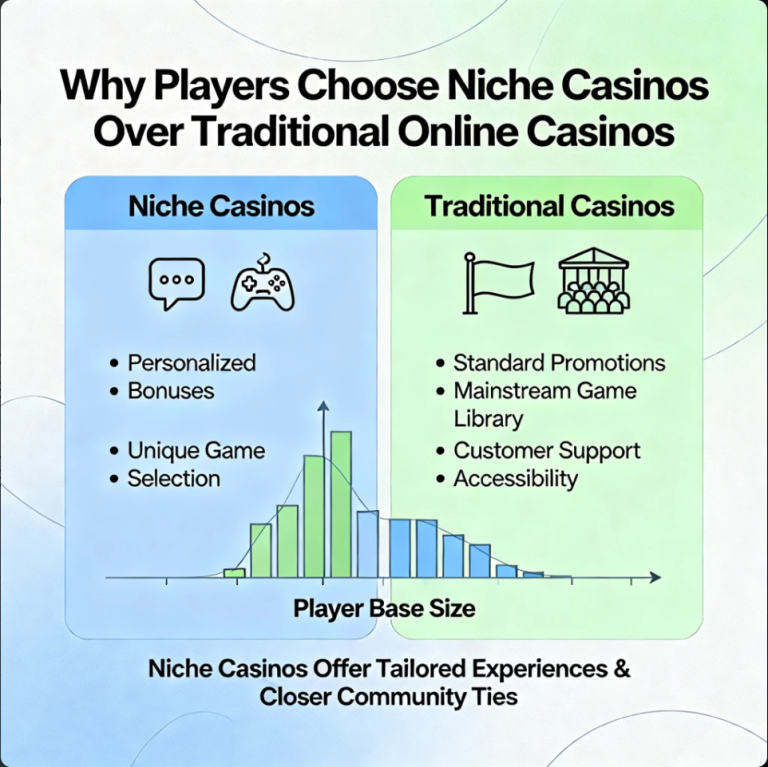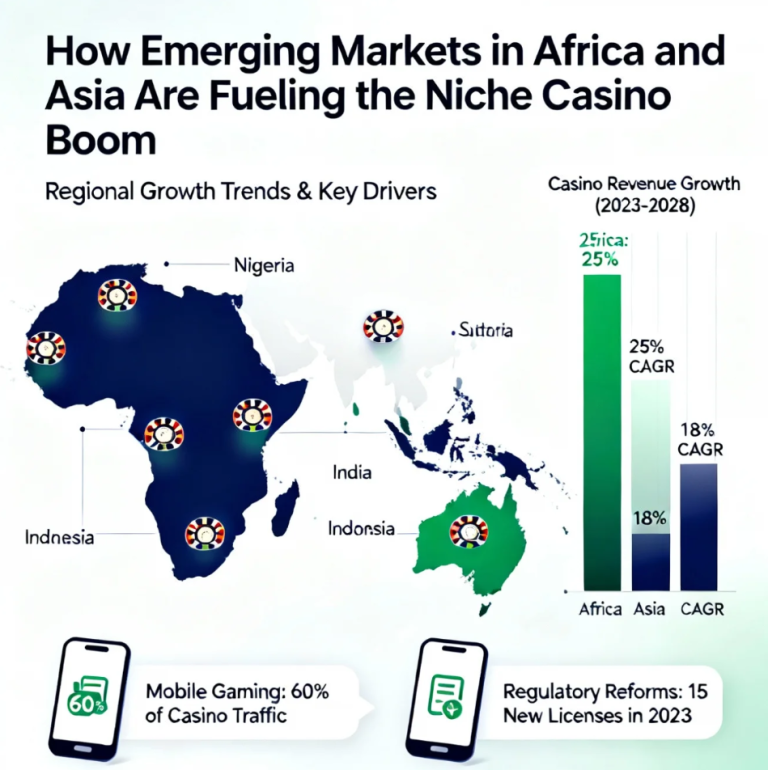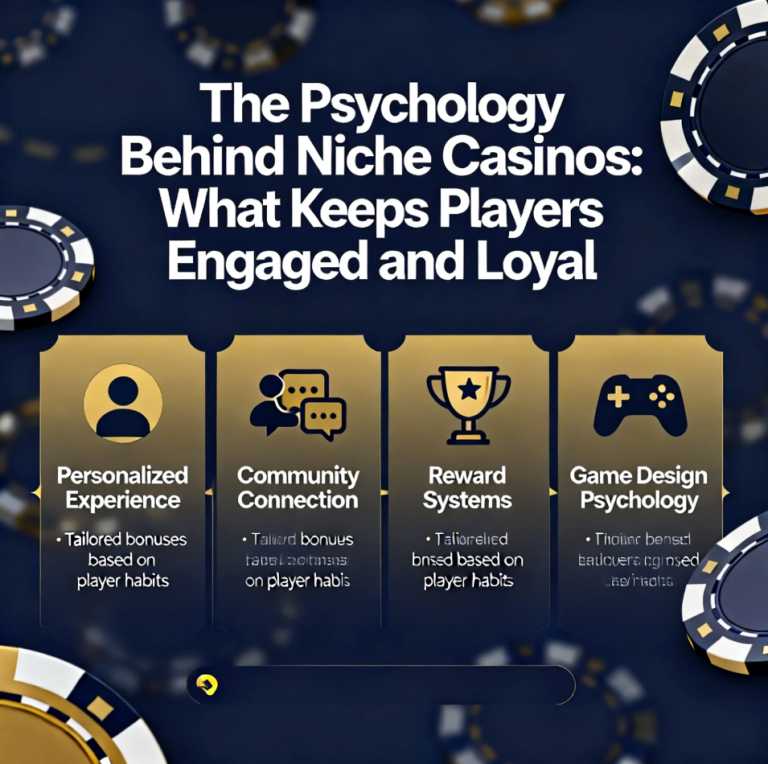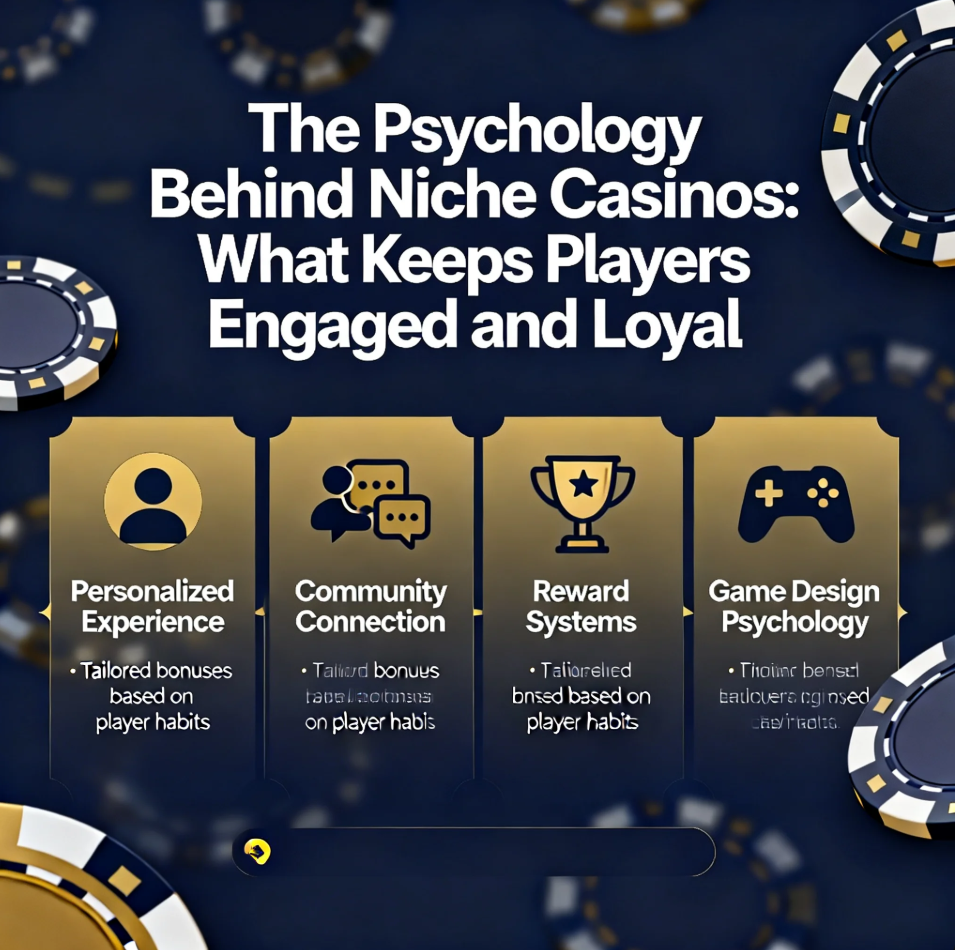
In the highly competitive online gambling industry, niche casinos have carved out a powerful position. Rather than appealing to everyone, these platforms focus on specific audiences, themes, or experiences. The result is often stronger engagement and higher loyalty. But what exactly keeps players coming back?
The answer lies in psychology. By understanding how human behavior, identity, and motivation work, niche casinos create environments that feel more personal, meaningful, and rewarding than generic platforms.
What Are Niche Casinos?
Niche casinos are gambling platforms designed around a specific focus, such as:
- A particular theme (retro, fantasy, crypto, or local culture)
- A defined player segment (casual players, high-rollers, or mobile-first users)
- Unique values (transparency, simplicity, or community-driven play)
This specialization allows niche casinos to design experiences that resonate deeply with a targeted audience.
The Power of Identity and Belonging
One of the strongest psychological drivers behind niche casinos is identity alignment.
Players are more engaged when a platform:
- Reflects their interests or lifestyle
- Makes them feel understood
- Creates a sense of belonging
When users see a casino as “made for people like me,” they are more likely to stay loyal, even when alternatives are available.
Personalization and Perceived Control
Personalization increases engagement by reducing cognitive effort and increasing relevance.
Niche casinos often use:
- Curated game libraries
- Tailored bonuses or recommendations
- Simplified interfaces designed for specific user behaviors
Psychologically, this creates a feeling of control and competence, which enhances satisfaction and repeat engagement.
Consistency Builds Trust
Trust plays a critical role in player loyalty—especially in industries involving risk and money.
Niche casinos build trust through:
- Consistent design and user experience
- Clear rules and transparent communication
- Predictable systems and reliable performance
Consistency reduces uncertainty, making players feel safer and more comfortable returning.
Reward Systems and Motivation
Well-designed reward structures tap into core motivational psychology.
Effective niche casino reward systems:
- Offer achievable short-term rewards
- Reinforce progress and milestones
- Avoid overwhelming users with complexity
These systems encourage continued engagement by providing feedback and a sense of advancement without relying solely on novelty.
Community and Social Reinforcement
Humans are social by nature, and niche casinos often leverage this through:
- Community features
- Shared themes and language
- Social recognition and status elements
Being part of a recognizable group reinforces loyalty and makes the experience more emotionally engaging.
Familiarity Over Choice Overload
Large platforms often overwhelm users with too many options. Niche casinos reduce choice overload by offering curated experiences.
Psychologically, fewer but more relevant options:
- Reduce decision fatigue
- Increase satisfaction
- Make users more confident in their choices
This simplicity encourages longer sessions and repeat visits.
Ethical Engagement and Long-Term Loyalty
Sustainable loyalty depends on responsible design.
Niche casinos that prioritize:
- Clear limits and transparency
- Responsible gaming principles
- User well-being over short-term gains
are more likely to build long-term trust and positive brand perception.
Conclusion
The success of niche casinos is rooted in psychology, not chance. By focusing on identity, personalization, trust, and community, these platforms create experiences that feel meaningful rather than generic.
Understanding the psychology of niche casinos helps explain why smaller, focused platforms often outperform larger competitors in engagement and loyalty. In the end, it’s not about offering more—it’s about offering what truly resonates.
About the Author